
Edge Computing and IoT-Based Urban Environment Monitoring Solutions
Abstract
The increasing environmental challenges in urban areas, such as air pollution, noise, and rising temperatures, demand efficient real-time monitoring systems for sustainable city management. However, traditional cloud-based solutions struggle with latency, bandwidth limitations, and privacy concerns, making them less suitable for time-sensitive environmental monitoring. This paper explores the integration of edge computing and Internet of Things (IoT) technologies to develop responsive and scalable urban environmental monitoring solutions. IoT sensors deployed across cities collect data on various environmental parameters, while edge devices process this data locally, reducing the need for continuous cloud communication. The proposed system improves real-time responsiveness, minimizes network congestion, enhances data privacy, and reduces energy consumption. This study also addresses key challenges such as network reliability, resource management, and data security in edge-IoT systems. By implementing predictive analytics and real-time alerts, these solutions empower urban planners with actionable insights, supporting smarter, greener, and more sustainable cities.
Keywords:Edge computingInternet of thingsUrban environmental monitoringReal-time data processing
1. Introduction
The rapid growth of urban populations and increased industrial activities have led to significant environmental challenges, including air pollution, noise, and rising temperatures. These environmental issues pose risks to public health, degrade quality of life, and increase the need for sustainable urban management. Continuous monitoring of environmental parameters is essential to assess these risks and implement effective mitigation strategies. However, traditional cloud-based solutions, which rely on transmitting data from sensors to centralized servers for analysis, are increasingly becoming inadequate due to high latency, network congestion, and privacy concerns. These limitations demand new solutions that offer real-time processing, reliability, and efficiency.
Integrating edge computing and the Internet of Things (IoT) is a promising approach to overcoming these challenges. IoT networks involve interconnected sensors deployed across urban areas to collect environmental data such as air quality, temperature, and noise levels. Edge computing enhances these systems by processing the collected data locally—at or near the data source—using edge devices such as gateways, routers, or micro-servers. This decentralized architecture ensures faster response times by reducing dependence on remote cloud infrastructure.
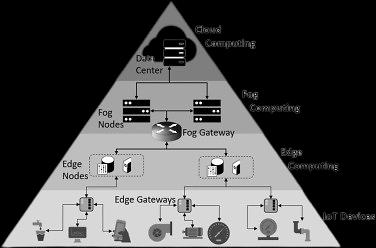
By enabling real-time data processing and analysis, edge-IoT systems facilitate instant alerts and predictive analytics that empower city administrators to make timely decisions for environmental management. Additionally, these systems offer energy efficiency, reduce network bandwidth consumption, and enhance data privacy by limiting the amount of sensitive information transmitted to the cloud. This makes them well-suited for smart cities, where continuous environmental monitoring is crucial for sustainability and resilience. This paper investigates the design, implementation, and challenges of edge computing and IoT-based urban environmental monitoring solutions. It explores how real-time processing improves responsiveness, addresses traditional systems' scalability and reliability issues, and offers actionable insights for sustainable urban development. The findings aim to support the development of smarter cities capable of addressing environmental challenges effectively and efficiently [1].
Urban environmental monitoring is critical in ensuring public safety, improving the quality of life, and fostering sustainable development. In conjunction with IoT technologies, edge computing provides an innovative approach to addressing these challenges. Edge computing offers several advantages for urban environmental monitoring. First, real-time alerts and responses to environmental hazards, such as poor air quality or excessive noise, can be generated immediately [2].
These technologies align with the vision of smart cities, where efficient management of environmental resources is critical to sustainability. Cities can benefit from predictive analytics using historical and real-time data to anticipate environmental risks and design proactive interventions. For example, forecasting models can predict pollution spikes and help optimize traffic or industrial operations to mitigate their effects. Smart waste management solutions can also leverage edge-IoT systems to monitor bin levels, ensuring timely collection and reducing unnecessary fuel consumption. [3], [4].
However, integrating edge computing and IoT systems in urban monitoring presents several technical and operational challenges. These include managing heterogeneous devices and networks, ensuring reliable communication across multiple nodes, and balancing computation workloads between edge and cloud resources. Security risks such as unauthorized access to edge devices must also be addressed to prevent disruptions and safeguard data integrity [5]. Moreover, scalability becomes crucial as cities grow and the number of connected devices increases, demanding robust frameworks for data management and resource allocation.
2. Literature Review
The combination of edge computing and the IoT has emerged as a transformative approach for urban environmental monitoring, addressing the limitations of traditional cloud-based systems. As cities become more connected and complex, real-time monitoring of environmental parameters—such as air quality, noise levels, and temperature—has become essential to support public health and sustainable urban development.
2.1 IoT in Smart Environmental Monitoring Systems
IoT-based environmental monitoring systems deploy sensors across urban environments to collect data on pollutants and environmental conditions. These systems offer the potential for continuous and decentralized data acquisition, reducing the dependency on manual monitoring or centralized cloud computing systems. However, challenges such as network congestion, energy consumption, and data latency have limited the efficiency of IoT deployments, especially in dense urban areas. Recent studies highlight how Wireless Sensor Networks (WSNs) and machine learning algorithms integrated with IoT systems improve monitoring precision and adaptability to environmental changes, allowing smarter interventions to be implemented in real-time [6].
2.2 Role of Edge Computing in Environmental Monitoring
Traditional IoT systems often rely on transmitting data to remote cloud servers, which can result in delays and inefficiencies due to network constraints. Edge computing addresses these issues by processing data closer to the data source, such as at gateways or local edge nodes. This shift reduces network bandwidth usage and ensures low-latency responses. For example, edge-based air quality monitoring systems have demonstrated reduced computational burdens on sensing nodes and energy savings of up to 23% by offloading data processing to nearby edge devices, thus prolonging battery life and minimizing communication costs [7].
Additionally, edge computing improves data security by keeping sensitive information localized and minimizing the need for transmission to distant servers. Studies also emphasize its importance for real-time decision-making—for example, in generating instant alerts during pollution spikes or detecting anomalies in sensor data. This makes edge computing a key enabler for smart city initiatives aimed at sustainable development and efficient urban management [8].
2.3 Challenges and Opportunities in Edge-IoT Integration
Despite its benefits, integrating edge computing with IoT networks presents several challenges, such as heterogeneous device management, scalability issues, and ensuring data integrity across distributed networks. Moreover, optimizing computational workloads between the edge and the cloud remains an ongoing research focus. Emerging technologies such as 5G networks and AI-based edge processing offer new opportunities to enhance the performance of these systems, enabling even faster data analysis and predictive insights for urban environmental monitoring [3].
In summary, the literature demonstrates that edge-IoT-based solutions hold great potential to transform environmental monitoring in cities by providing real-time insights, energy efficiency, and improved data privacy. However, addressing the technical challenges related to resource management, device interoperability, and security is essential for successful deployment at scale. Future research is needed to explore autonomous edge systems and digital twin technologies that can further improve urban monitoring and decision-making capabilities.
3. Challenges in Edge Computing and IoT-Based Urban Environmental Monitoring Solutions
3.1 Scalability
Scalability refers to the system's ability to handle growing amounts of data, devices, and processes without performance degradation. As urban environments grow, thousands of sensors generate continuous data streams across multiple locations. Managing this growth requires robust infrastructure, such as dynamic networks, optimized edge nodes, and efficient data processing frameworks [9]. Ensuring scalability involves balancing workloads across edge and cloud, upgrading software seamlessly, and addressing the increased computational demands without overloading networks or energy resources. Scalability also depends on device interoperability and fault-tolerant systems to avoid downtime. Scalability also depends on device interoperability and fault-tolerant systems to avoid downtime [10]. As cities expand, managing many IoT sensors and edge nodes becomes complex. Scaling these systems requires robust infrastructure to handle increasing devices, data traffic, and processing demands efficiently.
3.2 Interoperability
Interoperability refers to the ability of different systems, devices, or applications to work together seamlessly, exchanging data and functionality without special effort from the user. In the context of IoT and edge computing for urban environment monitoring, interoperability is crucial for several reasons:
I. Diverse ecosystem: urban environments may include various devices and technologies from different manufacturers, each using different communication protocols and data formats. Interoperability ensures these various systems can communicate and collaborate effectively.
II. Data sharing: data collected from various sensors (like air quality monitors, traffic cameras, and weather stations) must be integrated for effective monitoring and management. Interoperability allows for sharing this data across platforms and applications, enabling comprehensive analysis and decision-making.
III. Standardization: the lack of common standards can create barriers to interoperability. Establishing standards helps create a more uniform communication and data exchange framework, making it easier for devices and systems to interact.
IV. Flexibility and scalability: interoperable systems are more adaptable to changes. As new devices or technologies are developed, they can be integrated into existing systems without needing a complete overhaul. This flexibility is essential for constantly evolving urban environments.
V. Enhanced functionality: interoperability can lead to enhanced capabilities. For example, combining data from different sensors can provide deeper insights into urban conditions (e.g., correlating traffic patterns with air quality).
VI. Improved user experience: when systems work together seamlessly, they enhance the user experience. Users can access integrated data and functionalities without navigating multiple platforms or interfaces.
VII. Cost efficiency: interoperable systems can reduce the costs of maintaining separate systems. Organizations can leverage existing infrastructure and devices, minimizing the need for additional investments [4].
Challenges to interoperability
I. Proprietary systems: many devices use proprietary technologies, which can limit compatibility with other systems.
II. Lack of standards: the absence of widely accepted standards can complicate integration efforts.
III. Complexity: managing the integration of diverse systems can be technically complex and resource-intensive.
3.3 Data Security and Privacy
Data security and privacy are critical components of any IoT and edge computing solution, particularly in urban environment monitoring where sensitive information is collected and processed. Here’s a detailed explanation.
3.3.1 Data Security
Data security protects data from unauthorized access, breaches, and other malicious activities. In the context of IoT and edge computing, key aspects include:
Encryption: data should be encrypted both in transit (when it's being sent) and at rest (when it's stored) to prevent unauthorized access. This ensures that even if data is intercepted, it remains unreadable.
Authentication: robust authentication mechanisms (like multi-factor authentication) help verify the identities of users and devices before allowing access to the system. This prevents unauthorized entities from accessing sensitive data.
Access control: implementing strict access control policies ensures that only authorized users and devices can access certain data or functionalities, limiting potential exposure to sensitive information.
Intrusion detection: using systems to monitor suspicious activity can help detect and respond to potential security breaches in real-time.
Regular updates: keeping software and firmware up to date is crucial for patching vulnerabilities that attackers could exploit.
3.3.2 Data Privacy
Data privacy focuses on the appropriate use of data and the rights of individuals regarding their personal information. In urban monitoring solutions, this includes:
Consent: users should be informed about what data is being collected and how it will be used. Obtaining explicit consent is essential for ethical data collection.
Anonymization: techniques like data anonymization or pseudonymization can help protect individual identities while allowing for data analysis. This is especially important when handling personal data.
Regulatory compliance: adhering to regulations (like GDPR in Europe or CCPA in California) is necessary to protect user privacy. These laws set strict guidelines on data collection, storage, and processing.
Transparency fosters trust between users and organizations by providing clear information about data practices, including how long data is retained and who has access to it.
3.3.3 Challenges
Vulnerability of devices: many IoT devices have limited computing resources, making it difficult to implement robust security measures.
Data breaches: the interconnected nature of IoT systems can create multiple points of vulnerability, increasing the risk of data breaches.
User awareness: many users may not fully understand the implications of data sharing or security measures, leading to unintentional exposure.
Balancing security and usability: overly stringent security measures can lead to user frustration, so finding the right balance is essential.
3.4 Energy Efficiency
Energy efficiency in IoT and edge computing, particularly for urban environment monitoring, focuses on minimizing energy consumption while maintaining performance. Key aspects include:
Low-power devices: utilizing energy-efficient sensors and devices that consume less power, often powered by batteries or energy-harvesting methods.
Data processing at the edge: performing data processing closer to where it's generated reduces the need to transmit large volumes of data to centralized servers, saving energy.
Adaptive communication protocols: implementing protocols that optimize data transmission, such as only sending data when significant changes occur, helps conserve energy.
Sleep modes: designing devices to enter low-power states when not actively collecting data or during periods of inactivity.
Efficient algorithms: using algorithms that minimize computational power while ensuring effective data analysis and processing.
Focusing on energy efficiency is crucial for the sustainability of IoT systems, especially in resource-constrained urban environments.
3.5 Workload Distribution
Workload distribution in IoT and edge computing refers to strategically allocating processing tasks across various nodes—such as edge devices, gateways, and cloud servers—to optimize performance, efficiency, and resource utilization.
3.6 Network Reliability
Network reliability refers to the ability of a network to consistently perform its intended function without failures, ensuring stable and continuous communication between devices and systems. In the context of IoT and edge computing, particularly for urban environment monitoring, network reliability is crucial for several reasons:
Key aspects of network reliability-continuous
Connectivity: ensures devices can consistently send and receive data without interruptions, vital for real-time monitoring and response.
Redundancy: implementing redundant paths or connections helps maintain communication even if one path fails, increasing overall system resilience.
Robust protocols: reliable communication protocols that can handle packet loss, delays, and errors are essential for maintaining data integrity and ensuring messages reach their destination.
Quality of Service (QoS): Quality of Service (QoS) mechanisms prioritize critical data traffic, ensuring that essential communications are not delayed or dropped, which is especially important in emergencies.
Adaptive networking: networks that can adapt to changing conditions—such as fluctuations in bandwidth or device availability—are more reliable and maintain performance under varying circumstances.
Challenges
I. Urban interference: dense urban environments can cause interference and signal degradation due to physical obstructions and competing signals from various devices.
II. Scalability: as the number of devices increases, maintaining network reliability becomes more complex, requiring efficient management and optimization strategies.
III. Security vulnerabilities: security threats can disrupt network reliability; ensuring robust security measures is essential to prevent attacks that could compromise communication.
Benefits
I. Enhanced performance: reliable networks improve the efficiency and effectiveness of data transmission, leading to better overall system performance.
II. User confidence: a reliable network fosters trust among users and stakeholders, as they can depend on consistent data access and communication.
4. Proposed Work
Proposed work for developing edge computing and IoT-based urban environment monitoring solutions can encompass several key areas. Here’s a structured approach.
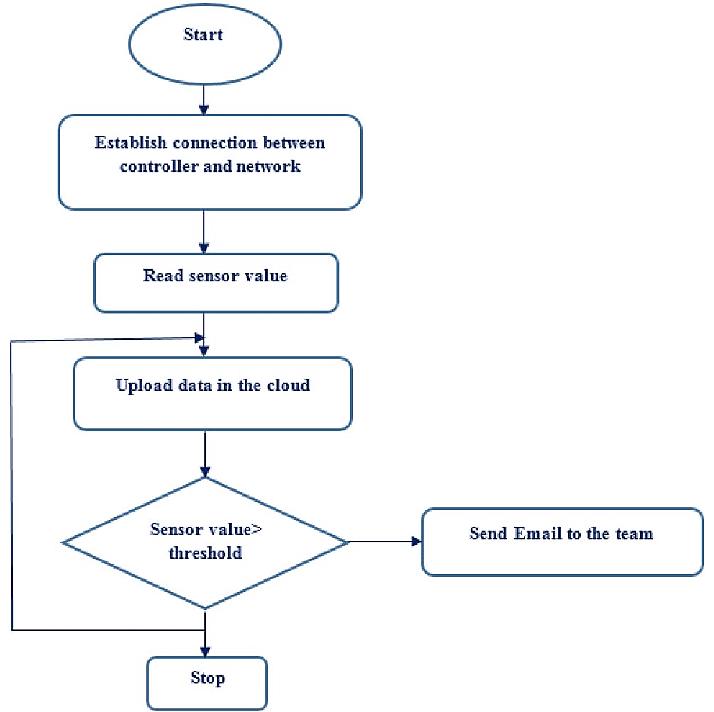
5.1 System Architecture Design
I. Hybrid model: develop a hybrid architecture that balances edge and cloud processing to optimize data handling, reducing latency for real-time analytics while leveraging cloud resources for heavy computational tasks.
II. Modular design: create a modular system where different components (sensors, gateways, analytics platforms) can be easily integrated or replaced, allowing flexibility and scalability.
5.2 Sensor Deployment and Integration
I. Diverse sensor network: deploy various sensors (air quality, noise, traffic, weather) across the urban area to capture comprehensive environmental data.
II. Interoperability standards: adopt common communication protocols and standards (e.g., MQTT, CoAP) to ensure seamless integration of devices from different manufacturers [11].
5.3 Data Processing and Analytics
I. Edge analytics: implement edge computing capabilities to preprocess data locally, filtering out noise and sending only relevant information to the cloud for further analysis.
II. Machine learning models: develop machine learning algorithms for predictive analytics, which will enable proactive responses to environmental changes (e.g., predicting air quality degradation).
5.4 Energy Efficiency Strategies
I. Low-power devices: to minimize energy consumption, utilize energy-efficient sensors and edge devices, employing techniques like sleep modes and adaptive sampling rates.
II. Energy harvesting: explore energy harvesting solutions (e.g., solar, kinetic) to power sensors in remote or hard-to-reach areas.
5.5 Network Reliability Enhancements
I. Redundant communication paths: design a network with redundant communication paths to maintain connectivity in case of failures or interference.
II. Dynamic load balancing: implement load balancing techniques to distribute data traffic effectively, optimize bandwidth usage, and ensure reliable data transmission.
5.6 Security and Privacy Framework
I. End-to-end encryption: ensure data security by implementing end-to-end encryption for data in transit and at rest.
II. User privacy policies: develop clear privacy policies and consent mechanisms for users regarding data collection and usage, ensuring compliance with regulations.
5.7 User Interface and Visualization
I. Dashboard development: create user-friendly dashboards for real-time monitoring, displaying key metrics and insights from the collected data.
II. Mobile applications: develop mobile applications to allow citizens to access environmental data, report issues, and engage with the monitoring system.
5.8 Community Engagement and Education
I. Stakeholder collaboration: to ensure the system meets community needs, local governments, businesses, and community groups should be involved in the planning and implementation.
II. Public awareness campaigns: educate the public about the monitoring system's benefits and how they can contribute, fostering a sense of ownership and responsibility.
5.9 Evaluation and Optimization
I. Pilot projects: conduct projects in selected urban areas to test the system's effectiveness, gather feedback, and make necessary adjustments.
II. Continuous improvement: establish mechanisms for ongoing evaluation and optimization of the system based on performance metrics and user feedback.
Table 1. Features comparison of conventional cloud systems and edge computing proposals.
This table is shown in the PDF version of the article.
location as Amazon etc. environment, stations, RAN environment, such as shop, such as shop, restaurant etc. restaurant etc. Mobility support No Yes Yes Yes Yes Distribution Centralized Computers Mobile Distributed Distributed
User devices Computers Mobile Mobile Mobile and LOT and smart fixed devices wearable devices Managment Services provider Local businesses Local business Local business Local business and service and services providers providers Conserving No Yes Yes Yes Yes energy Scalability Yes Yes Yes Yes Yes Distance to users Large (may across Large (may Small Small (ten to Small (in meters) the country border) across the hundreds of country border) meters) Backhaul usage Frequent use Frequent use Infrequent use Infrequent use Infrequent use ownership by e.g. Google and business vendors owners amazon, yahoo etc. Amazon owners Location No Yes Yes Yes Yes awareness Server hardware Highly capable Highly capable Small scale Small data cen- Small scale servers servers servers servers ters Deployment cost High High Low High Low (can be adopted from available devices such as router etc.) Server density Low Low High Low High
5. Conclusion
In conclusion, edge computing and IoT-based urban environment monitoring solutions represent a transformative approach to managing and enhancing urban living conditions. By leveraging the capabilities of distributed computing and interconnected devices, these solutions facilitate real-time data collection and analysis, enabling informed decision-making for urban planners, policymakers, and citizens.
Integrating diverse sensors allows for comprehensive monitoring of critical environmental parameters such as air quality, traffic congestion, and noise levels, providing valuable insights that can improve public health, safety, and sustainability. Furthermore, adopting edge computing significantly reduces latency and bandwidth usage, ensuring timely responses to environmental changes while optimizing resource efficiency.
However, to maximize the effectiveness of these systems, challenges related to interoperability, data security, network reliability, and energy efficiency must be addressed. A collaborative approach that involves stakeholders from government, industry, and the community is essential for developing robust solutions that meet the unique needs of urban environments.
Ultimately, the successful implementation of edge computing and IoT technologies can pave the way for smarter, more resilient cities, enhancing the quality of life for residents and promoting sustainable urban development. This research underscores the importance of continued innovation and investment in these technologies to realize their full potential in addressing the complex challenges faced by modern urban centers.
Funding
This research received no external funding.
Data Availability
The data used and analyzed during the current study are available from the corresponding author upon reasonable request.
Conflicts of Interest
The authors declare no conflicts of interest regarding the publication of this paper.
References
- [1] Chinnici, M., & De Vito, S. (2022). IoT meets opportunities and challenges: edge computing in deep urban environment. In Dependable iot for human and industry (pp. 241–272). River Publishers. B2n.ir/n91422
- [2] Idrees, Z., Zou, Z., & Zheng, L. (2018). Edge computing based IoT architecture for low cost air pollution monitoring systems: A comprehensive system analysis, design considerations & development. Sensors, 18(9), 3021. https://doi.org/10.3390/s18093021
- [3] Vimal, S., Suresh, A., Subbulakshmi, P., Pradeepa, S., & Kaliappan, M. (2020). Edge computing-based intrusion detection system for smart cities development using IoT in urban areas. In Internet of things in smart technologies for sustainable urban development (pp. 219–237). Springer. https://doi.org/10.1007/978-3-030-34328-6_14
- [4] Gheisari, M., Pham, Q. V., Alazab, M., Zhang, X., Fernandez-Campusano, C., & Srivastava, G. (2019). ECA: An edge computing architecture for privacy-preserving in IoT-Based smart city. IEEE access, 7, 155779–155786. https://doi.org/10.1109/ACCESS.2019.2937177
- [5] Liu, Y., Yang, C., Jiang, L., Xie, S., & Zhang, Y. (2019). Intelligent edge computing for IoT-based energy management in smart cities. IEEE network, 33(2), 111–117. https://doi.org/10.1109/MNET.2019.1800254
- [6] Alamgir Hossain, S. K., Anisur Rahman, M., & Hossain, M. A. (2018). Edge computing framework for enabling situation awareness in IoT based smart city. Journal of parallel and distributed computing, 122, 226–
- [237] https://doi.org/10.1016/j.jpdc.2018.08.009
- [7] Mahmood, O. A., Abdellah, A. R., Muthanna, A., & Koucheryavy, A. (2022). Distributed edge computing for resource allocation in smart cities based on the IoT. Information, 13(7), 328. https://doi.org/10.3390/info13070328
- [8] Dautov, R., Distefano, S., Bruneo, D., Longo, F., Merlino, G., Puliafito, A., & Buyya, R. (2018). Metropolitan intelligent surveillance systems for urban areas by harnessing IoT and edge computing paradigms. Software - practice and experience, 48(8), 1475–1492. https://doi.org/10.1002/spe.2586
- [9] Wang, J., Pan, J., & Esposito, F. (2017, October). Elastic urban video surveillance system using edge computing. In Proceedings of the Workshop on Smart Internet of Things (pp. 1-6) .https://doi.org/10.1145/3132479.313249
- [10] Maltezos, E., Karagiannidis, L., Dadoukis, A., Petousakis, K., Misichroni, F., Ouzounoglou, E., … & Amditis, A. (2021). Public safety in smart cities under the edge computing concept. 2021 IEEE international mediterranean conference on communications and networking, meditcom 2021 (pp. 88–93). IEEE. https://doi.org/10.1109/MeditCom49071.2021.9647550
- [11] Wang, W., Feng, C., Zhang, B., & Gao, H. (2019). Environmental monitoring based on fog computing paradigm and internet of things. IEEE access, 7, 127154–127165. https://doi.org/10.1109/ACCESS.2019.2939017